Künstler zwischen Glanz und Elend der Weimarer Republik
Urania Berlin, Deutschland
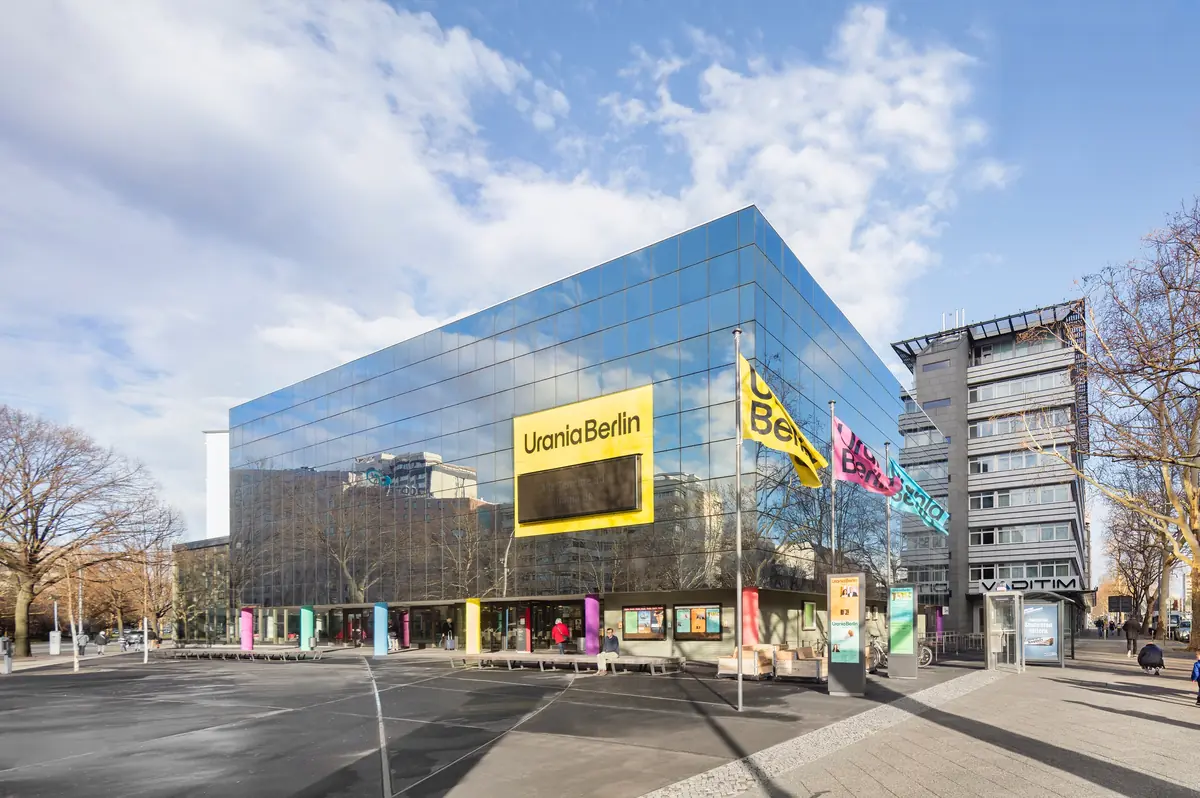
Foto: UraniaeV · CC BY-SA 4.0
Die Weimarer Republik war eine Gesellschaft im Ausnahmezustand: Hyperinflation, Massenarbeitslosigkeit und politische Gewalt auf den Straßen standen einem beispiellosen kulturellen Aufbruch gegenüber. Berlin wurde zur Welthauptstadt der Moderne - und die Kunst zum Seismografen dieser widersprüchlichen Zeit.
Die künstlerischen Antworten auf diesen Umbruch fielen höchst unterschiedlich aus. Lesser Ury hielt an der impressionistischen Formensprache fest und fing das flüchtige Großstadtleben im Lichtglanz der Berliner Metropole ein. Otto Dix und Georg Grosz hingegen radikalisierten ihre Bildsprache: Aus dem anarchischen Impuls des Dadaismus heraus entwickelten sie die Neue Sachlichkeit - eine schonungslose, oft bitterböse Bestandsaufnahme zwischen Kriegstrauma, Dekadenz und aufziehendem Faschismus. Otto Nagel und Karl Hofer wiederum wählten den Weg des expressiven Realismus und richteten ihren Blick auf die Verlierer der Moderne: die Armen, die Entrechteten, die Vergessenen.
So verschieden diese Stile sind, so sehr eint sie ein gemeinsamer Impuls: Kunst als Reaktion auf gesellschaftliche Erschütterung, als Haltung und als Zeitzeugnis. Die Sonderausstellung „Ruin und Rausch" in der Neuen Nationalgalerie versammelt Werke all dieser Künstler. Der Kunsthistoriker Thomas R. Hoffmann nimmt dies zum Anlass, über die aktuelle Präsentation hinaus weitere Werke vorzustellen und sie in einen thematischen, inhaltlichen und stilistischen Dialog zu setzen.
Vorträge · Berlin 54 in den nächsten 30 Tagen →
 75VortragFr 30.10.Ein Abend mit Fran Lebowitz
 73VortragSo 15.11.Joschka Fischer: Wer sind wir? - Deutschland auf der Suche nach seiner Identität
 68VortragDi 3.11.Politik mit Anne Will - Podcast Live - 2026
 68VortragSa 19.12.Lydia Benecke - Psychologie der Manipulation
 65VortragSa 31.10.Lesung mit Cordula Stratmann - Wo war ich stehen geblieben? | moderiert von Michael Abdollahi
 63VortragDo 10.12.Mona Ameziane & Christine Westermann - Wann wusstest du, dass es gut wird?
 100KonzertMi 4.11.Deep Purple - SPLAT! World Tour 2026
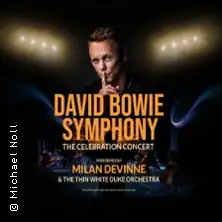 100KonzertDo 19.11.David Bowie Symphony - The Celebration Concert
 100KonzertSo 15.11.Little Big - European Tour 2026
 89FestivalFr 30.10.SOUND METAPHORS FESTIVAL PART 2
 97KonzertDi 27.10.Slayyyter
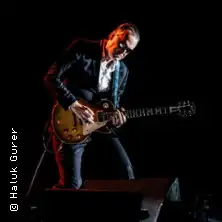 97KonzertFr 30.10.Joe Bonamassa