4th Chamber Concert
Theater Aachen, Germany
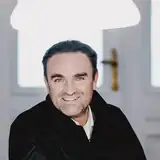
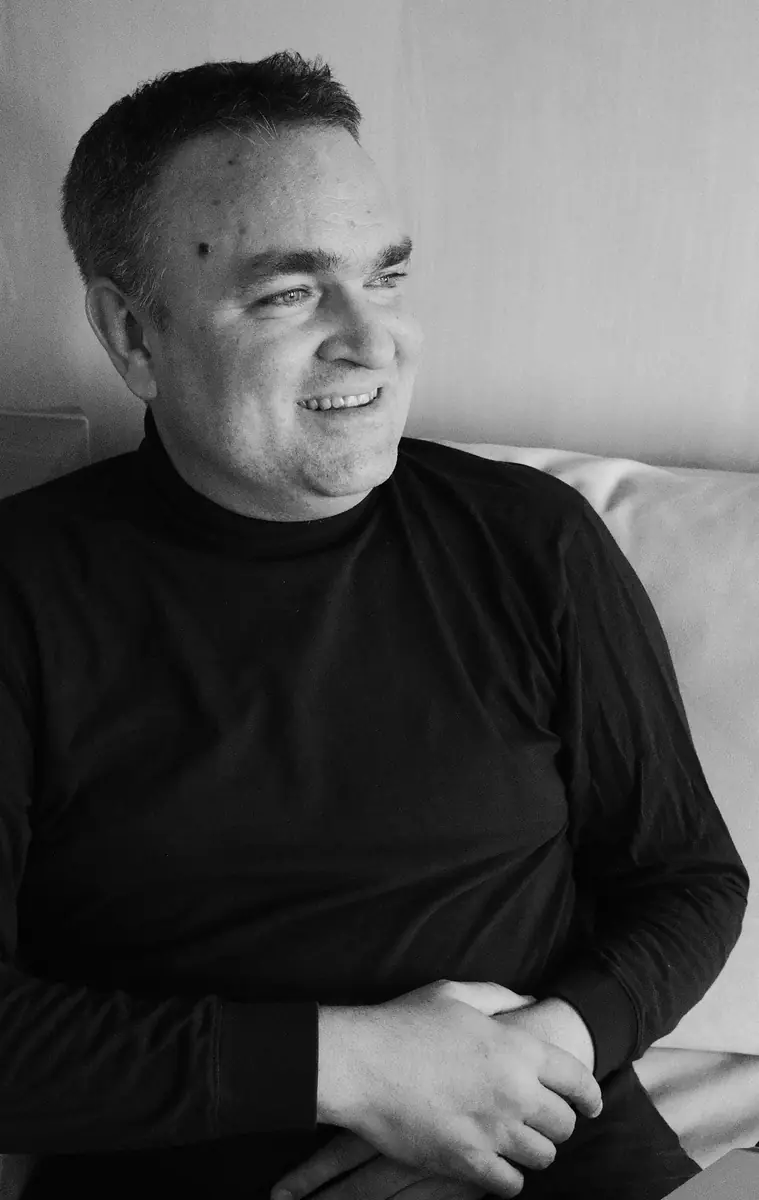
Foto: Spotify
Transmutation is the conversion of one chemical element into another. What alchemists once attempted in vain is now possible through radioactive decay and nuclear reactions. Musical transmutation could be called the guiding idea behind the "Five Fragments" by composer and clarinettist Jörg Widmann: "After several pieces concerned with flow and the mastery of large-scale form, I became fascinated in 1997 by the idea of Bruch-Stücke - fragments: reduction, compression, concentration. The instruments I had grown to love, clarinet and piano, had to become strange to me again; a different kind of familiarity emerged."
A fragment of another sort is Franz Schubert's Satz for string trio: it is the opening movement of a trio project begun in 1816 that never progressed beyond this sonata movement and the opening bars of a slow Andante. Both the Clarinet Sonata by Francis Poulenc and the Clarinet Quintet by Wolfgang Amadeus Mozart are late works: Poulenc's sonata was written in 1962, just months before his death. It is dedicated to his fellow composer Arthur Honegger, who had died in 1955. The musical dramaturgy of the piece may be connected to this dedication: the first movement carries the marking "Allegro tristamente" - roughly "cheerfully sad" - while the impetuous finale could reflect the humour of both Poulenc and Honegger.
Mozart's Quintet probably dates from 1789. He wrote it for his friend Anton Stadler, for whom he would also compose the Clarinet Concerto two years later. The work, in which the solo clarinet acts as "primus inter pares" within the string quartet, ranks among the most celebrated of Mozart's already highly regarded late works. The expansive melody of the slow movement served as a model for the middle movement of Maurice Ravel's Piano Concerto No. 1. It borders on musical alchemy when Mozart, from the warm tones of the clarinet...
Events · Aachen 31 in the next 30 days →
 67classicalTue 29.12.Philharmonie der Solisten | VIVALDI - The Four Seasons
 85concertSun 6.12.Kadavar - Live 2026
 83concertFri 6.11.True Collins - Phil Collins & Genesis Tribute Show
 83concertSun 14.3.Field Commander C. - The Songs of Leonard Cohen
 74stand-upSun 14.3.Helge Schneider - Ellebogen vom Tich
 70theaterSat 12.12.Senta Berger and Friedrich von Thun - Loriot: Scenes from a Marriage
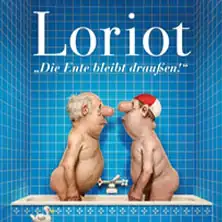 68theaterFri 30.4.Loriot - The Duck Stays Outside!
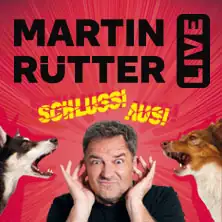 66stand-upTue 17.11.Martin Rütter - SCHLUSS! AUS!
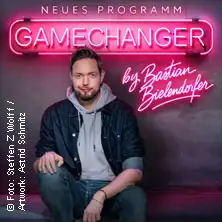 66stand-upFri 20.11.GameChanger by Bastian Bielendorfer
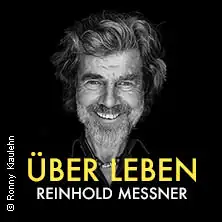 66lectureSat 28.11.Reinhold Messner: Über Leben – The New Live Lecture
 62balletTue 1.12.Crown Ballet - Swan Lake with Orchestra
 57musicalThu 18.2.The Phantom of the Opera - The Original Production by Sasson/Sautter