Chapeau Classique: Maximilian Kromer: Wanderer
Erbdrostenhof, Münster, Germany
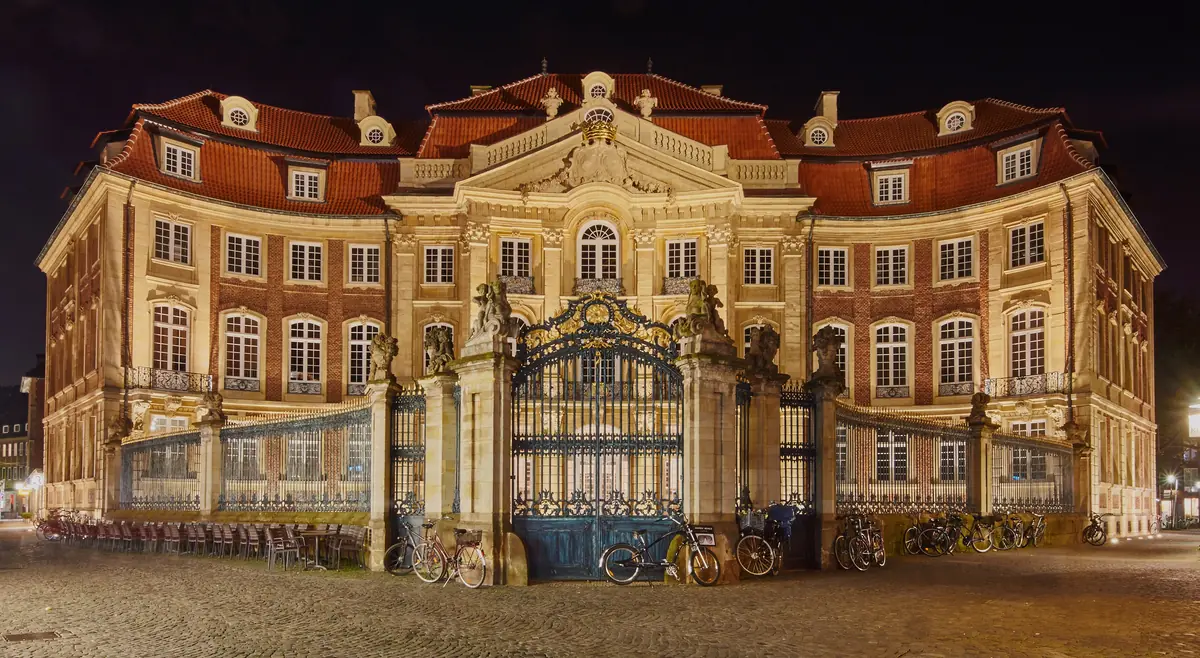
Foto: Günter Seggebäing, Coesfeld · CC BY-SA 3.0
Max Kromer from Vienna, winner of the International Schubert Competition Dortmund 2025, places Schubert and Liszt at the heart of his programme - the former as the "Wanderer", the latter as his devoted admirer and transformer. Sighs and exclamations, elegance and melancholy, virtuosity and simplicity - the programme captures these ambivalences with grace.
On the occasion of Beethoven's 200th death anniversary in 2027, Kromer pays tribute with the cheerful E-flat major Sonata op. 31/3 - which in the context of the "Wanderer" programme appears as a glimpse of the "land of hope" from Schubert's song. Beethoven wrote it in 1802, the year of the "Heiligenstadt Testament", when the 32-year-old composer revealed his despair over his progressive deafness and suicidal thoughts - yet also his determination to live for art.
At the heart of Schubert's monumental Wanderer Fantasy lies his song "Der Wanderer": an expression of longing for home in Metternich's police state, but also of existential alienation itself. The wanderer yearns for metaphysical shelter, for nature that speaks to him intelligibly, for human understanding - and expresses his melancholy from the knowledge that the land "that speaks my language" is as utopian as the resurrection of the dead. "Where you are not, there is happiness."
Listzt transformed Schubert's songs into brilliant concert pieces in his own language because he deeply admired him and wanted to convey his art of song to his contemporaries. His "Soirées de Vienne" are also a declaration of love to Schubert, inspired by his "Valses nobles" - outwardly simple, dance-like character miniatures, imbued with noble melancholy - which Kromer skillfully scatters throughout the programme.
Concerts · Münster 65 in the next 30 days →
 99concertFri 6.11.Mirage - Visions of Fleetwood Mac
 96concertSun 15.11.Michael Jackson Tribute Live Experience
 94concertFri 30.10.The Best of Queen performed by Break Free - A Magical Tour
 93concertFri 22.1.Barry White Tribute Show by Tony Davis and Orchestra
 92concertSun 21.2.Ina Müller and Band - Die 6.0 Tour
 92concertSat 6.3.Westfalia Big Band - Merci, Udo Jürgens
 86theaterMon 9.11.Live Audio Drama: Das Paket - based on Sebastian Fitzek
 85classicalThu 26.11.Luciano - 3 Tenors Celebrate a Legend
 85stand-upThu 18.2.Helge Schneider - Ellebogen vom Tich
 83stand-upThu 4.3.Lisa Eckhart - Ich war mal wer
 82stand-upSat 5.12.Dieter Nuhr - Nuhr auf Tour
 82classicalMon 4.1.Vienna Johann Strauss Concert Gala