Antonio Vivaldi: THE FOUR SEASONS - Works by G.F. Händel and J. Haydn
Konzert- und Theatersaal Nordhorn, Germany
44 €
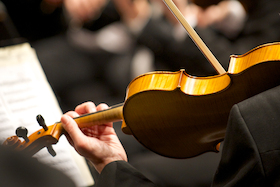
Antonio Vivaldi:
The Four Seasons
Georg Friedrich Händel:
Water Music, Orchestral Suite No. 1
Joseph Haydn:
Farewell Symphony
The renowned Czech Chamber Philharmonic Prague, well known throughout Germany, presents three highlights from its extensive repertoire - two masterpieces of Baroque music (Antonio Vivaldi's "The Four Seasons" and Georg Friedrich Händel's "Water Music") and one of the most important representatives of Viennese Classicism (Joseph Haydn with his "Farewell Symphony"). The three works have been carefully selected and arranged to form a meaningful combination, an engaging unity, and stylishly conclude the musical evening.
Antonio Vivaldi's arguably most famous work is "The Four Seasons". The composer, himself a masterful violinist, has combined four violin concertos - each concerto describes one season. Above all, natural phenomena are imitated: in spring it is the chirping of various bird species. In summer one feels the heavy heat and anticipation of cooling, then a violent thunderstorm; then the buzzing of bees and swarms of mosquitoes. A drinking song and hunting motifs describe autumn. Wind, rain, perhaps snow, then warming by the fireplace and finally an ice skater illustrate the contrasts of winter: the cosy life indoors and the harsh climate outside. Many renowned composers (including Joseph Haydn) have devoted themselves to the four seasons; however, the most ingenious musical description of nature comes from Antonio Vivaldi.
Various anecdotes surround the origins of Georg Friedrich Händel's "Water Music": The composer from Hanover (related to the English royal house) is said to have moved to London and, with the accompanying music for a royal pleasure cruise on the Thames, made his "debut" with his new master, King George I. However, this is only documented for the second suite.
Events · Nordhorn 1 in the next 30 days →
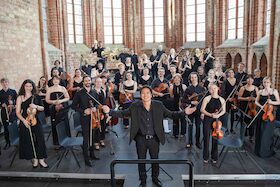 20classicalSat 8.8.BISYOC
 47stand-upWed 9.12.Lisa Feller - Schön für Dich!
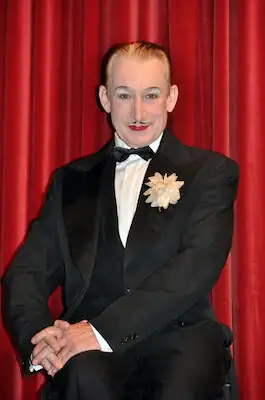 46concertSat 5.9."An Evening with Robert Kreis!"
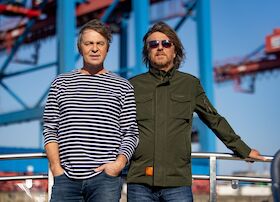 46concertFri 25.9.Fools Garden - Electro-Acoustic Session
 43musicalFri 26.2.Musical Starlights - Best of Musicals
 41concertThu 1.10.Götz Alsmann - ...bei Nacht...
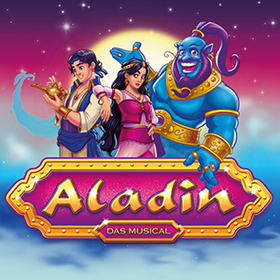 38musicalFri 15.1.Aladdin - the Musical
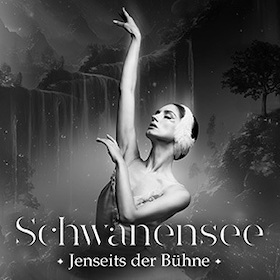 29balletThu 24.9.Swan Lake - Beyond the Stage with live string quartet
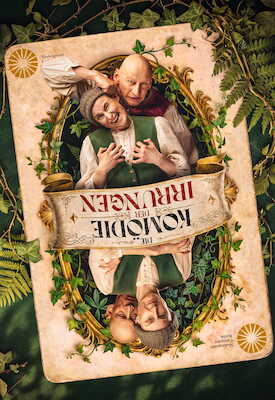 29theaterThu 24.9.The Comedy of Errors - A Farce by William Shakespeare with Music
 27clubSat 8.8.ROXY! Revival - Summerparty
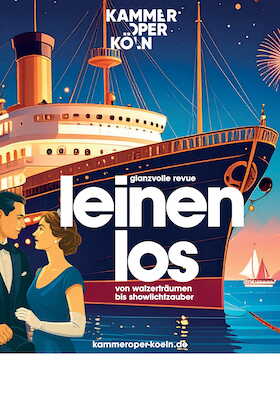 22musicalTue 24.11.Leinen los! - From Waltz Dreams to Showlight Magic
 21clubSat 3.10.Rock a Gogo