Italian Journey
Anneliese Brost Musikforum Ruhr, Bochum, Germany
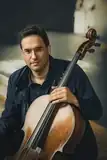
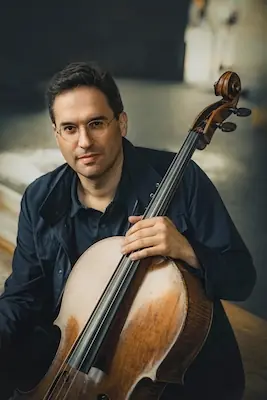
Programme:
At 22, Richard Strauss travelled to Rome and Naples, and afterwards captured his impressions in a composition he called "Aus Italien" ("From Italy"). He described it as a "symphonic fantasy" - with its four movements, it is no longer quite a symphony, but not yet a symphonic poem either. The third movement, "Am Strande von Sorrent" ("On the Shore of Sorrento"), unfolds a fascinating, almost impressionistic soundscape - unusual for Strauss. The composer spoke of a "mood picture": an interweaving of natural sounds (wind, water, birdsong) with his own inner feelings.
Erich Wolfgang Korngold was among the most celebrated opera composers of the 1920s. In American exile he became a major film composer who left a lasting mark on Hollywood's musical language. Korngold regarded his film scores as "dramatic symphonic music" or "operas without singing". One of the last films he scored was "Devotion" (1946), set in the world of musicians and culminating in the performance of a short, single-movement cello concerto that Korngold composed in full - and later published as a standalone work.
Ottorino Respighi wrote a three-movement cello concerto in his youth for a fellow student. The concerto was unfortunately lost - all except the Adagio movement. Respighi later revised it, first for cello and piano. In 1921 - by which time he was already a professor of composition in Rome - he expanded the Adagio with variations into a single-movement cello concerto with orchestra. It is, as one expects from Respighi, a beautiful, serious, and sonically masterful piece.
Felix Mendelssohn Bartholdy also travelled to Italy as a young man (1830-1832), and the result was his "Italian" Symphony, which he considered his "most cheerful work". Mendelssohn himself conducted the celebrated London premiere in 1833 - yet that remained the only performance of the "Italian" in his lifetime, as he always wanted to revise it further.
Events · Bochum 115 in the next 30 days →
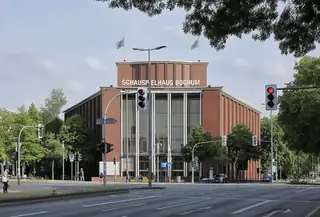 29classicalTue 17.11.Jewish Chamber Orchestra
 91concertSat 27.2.La Ultima - Böhse Onkelz Tribute
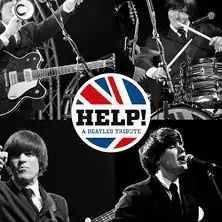 88concertSun 11.10.Help! - A Beatles Tribute
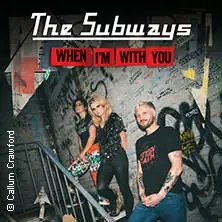 88concertWed 21.10.The Subways - 'When I'm With You', Loud & Proud - Oct 2026 Anniversary Tour
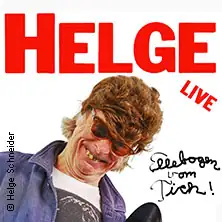 79stand-upSat 6.3.Helge Schneider - Ellebogen vom Tich
 72stand-upFri 5.3.Lisa Eckhart - Ich war mal wer
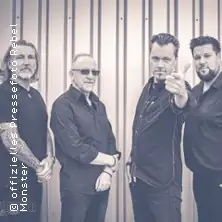 88concertSat 24.10.Rebel Monster - Volbeat Tribute
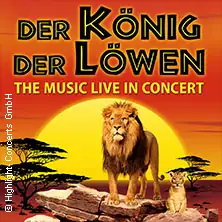 88concertTue 12.1.The Lion King - Live in Concert
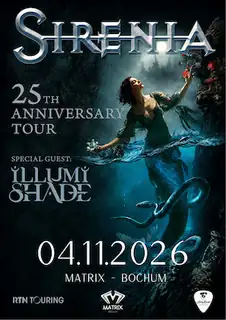 87concertWed 4.11.Sirenia
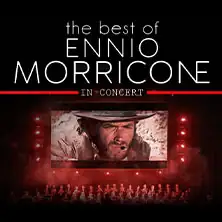 87concertThu 4.3.The Best of Ennio Morricone
 86concertSat 10.10.Dieter Bohlen & Band
 86concertFri 13.11.L.A. Guns