Leibspeisen. A Culinary Biography of Germany.
Urania Berlin, Germany
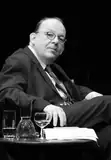
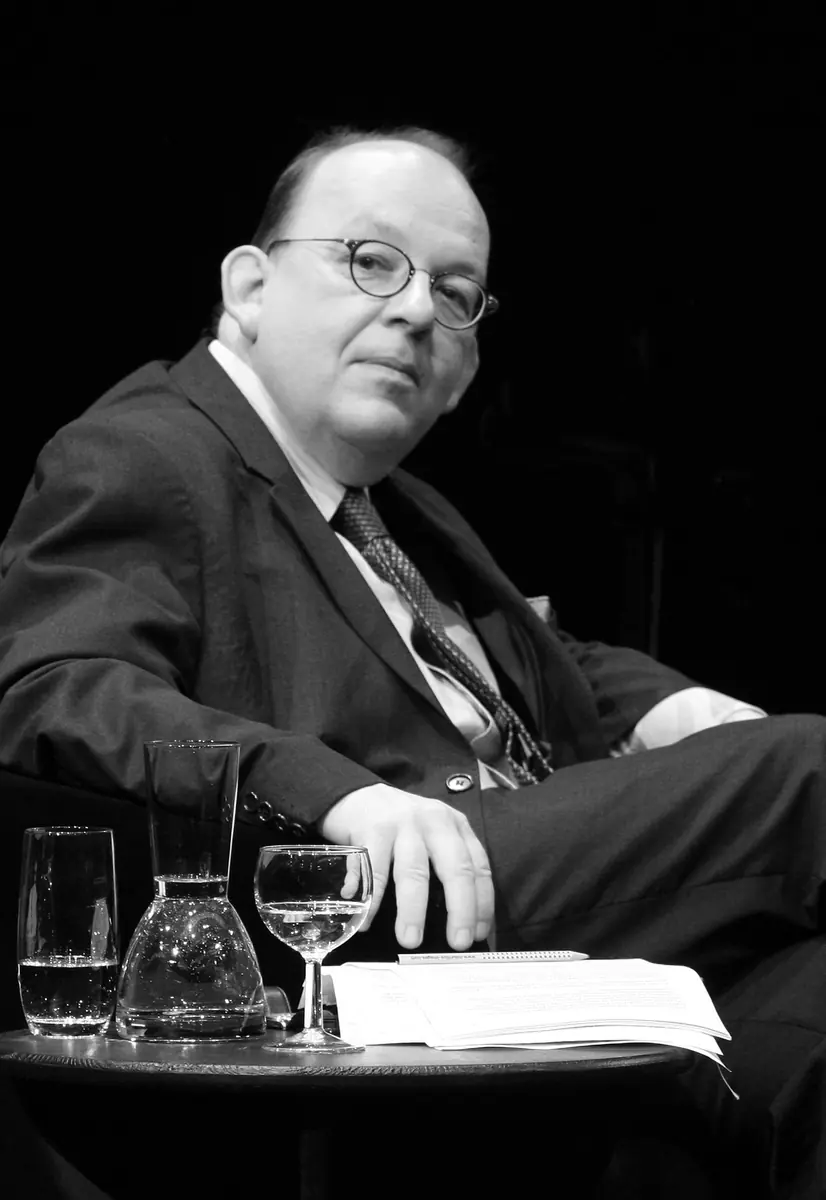
Foto: Elke Wetzig (Elya) · CC BY-SA 3.0
German cuisine is far more varied than its reputation suggests: from Grüner Sauce and truite au bleu to Maultaschen and Sauerbraten, from venison saddle Baden-Baden to Helgoland lobster - east to west (Leipziger Allerlei to Himmel un Ääd), north to south (Rote Grütze to Kässpätzle), shaped by religious boundaries, regional traditions and waves of migration. Königsberger Klopse, pizza, döner, Gelato italiano, Phô - all of these have long since become part of the picture.
Eva Gritzmann and Denis Scheck trace the favourite dishes that have followed them since childhood and revisit the defining moments of Germany's culinary republic: the invention of Toast Hawaii, the launch of the country's first frozen pizza, the great egg battle at the Viktualienmarkt. They don't shy away from uncomfortable truths either - for instance, that in many German cities top-grade cocaine is considerably easier to come by than freshly caught fish.
The story stretches from the founding of the Federal Republic in 1949, when food was scarce, through the eating frenzy of the 1950s and the first wave of internationalisation in the 1960s and 70s, right up to the present day. Gritzmann and Scheck draw a portrait of the Federal Republic through its national dishes, customs, and most celebrated restaurants and chefs.
Eva Gritzmann (b. 1965 in Freiburg) studied business and medicine, holds a doctorate in medical psychology, and lives in Stuttgart. Denis Scheck (b. 1964 in Stuttgart) studied German literature and is one of Germany's best-known literary critics. Their most recent joint publication is Kafkas Kochbuch (2025).
Lectures · Berlin 51 in the next 30 days →
 75lectureFri 30.10.An Evening with Fran Lebowitz
 73lectureSun 15.11.Joschka Fischer: Who Are We? - Germany in Search of Its Identity
 68lectureTue 3.11.Politik mit Anne Will - Podcast Live - 2026
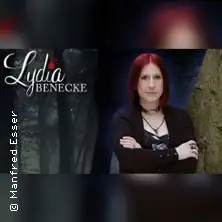 68lectureSat 19.12.Lydia Benecke - Psychology of Manipulation
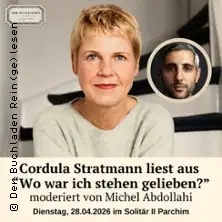 65lectureSat 31.10.Reading with Cordula Stratmann - Where Did I Stop? | moderated by Michael Abdollahi
 63lectureThu 10.12.Mona Ameziane & Christine Westermann - When Did You Know It Would Be Good?
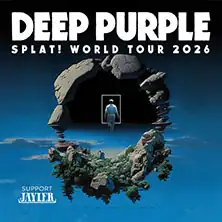 100concertWed 4.11.Deep Purple - SPLAT! World Tour 2026
 100concertThu 19.11.David Bowie Symphony - The Celebration Concert
 100concertSun 15.11.Little Big - European Tour 2026
 89festivalFri 30.10.SOUND METAPHORS FESTIVAL PART 2
 97concertTue 27.10.Slayyyter
 97concertFri 30.10.Joe Bonamassa