
ABBA - The Concert - performed by ABBAMUSIC
A tribute to ABBA performed by the Italian ensemble ABBAMUSIC - a spectacular show with original arrangements, choreography, and professional lighting that brings the legendary 1979 concert to life.
Berlin, Germany
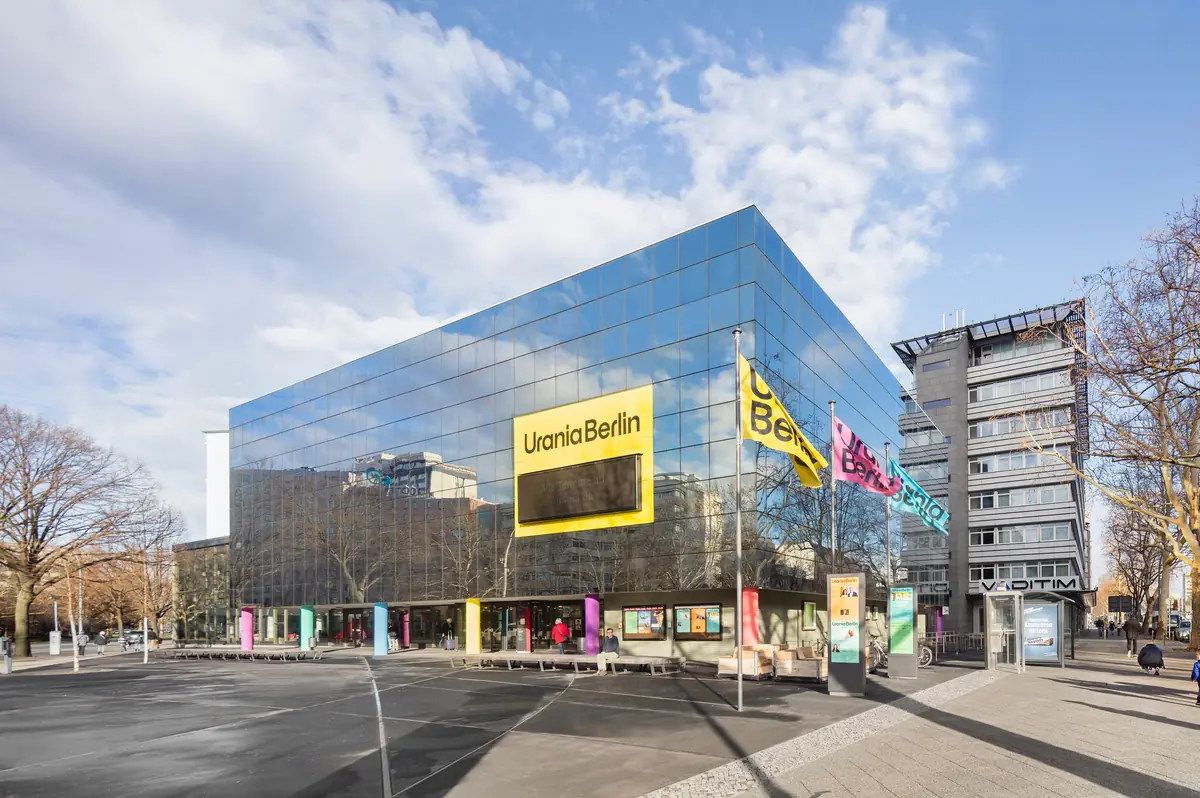
Urania Berlin is a long-established public education and event venue in the Schöneberg district, founded in 1888. It hosts lectures, panel discussions, film screenings and cultural events across several halls, drawing speakers from science, politics and the arts. The building on An der Urania has been a hub for public debate in the city for well over a century.

A tribute to ABBA performed by the Italian ensemble ABBAMUSIC - a spectacular show with original arrangements, choreography, and professional lighting that brings the legendary 1979 concert to life.

Solenne Ballet Classique performs Tchaikovsky's "Swan Lake" in Berlin as part of its 2026 European tour.

Classico Ballet Napoli brings the classic ballet "Cinderella" to the stage of Urania Berlin.

A stage adaptation of Tolstoy's classic novel about love and tragedy in imperial Russia.

A symphonic tribute to rock classics performed with orchestra at Urania Berlin.

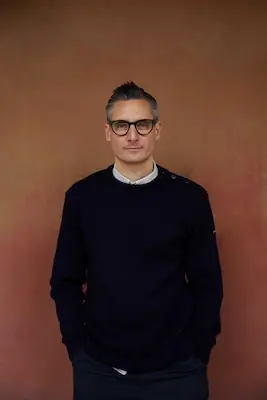
A lecture on Weimar art: how artists like Otto Dix, Georg Grosz, and Lesser Ury responded to the political and cultural chaos of their era. Art historian Thomas R. Hoffmann guides visitors through the exhibition "Ruin and Rapture" at the Neue Nationalgalerie.

A conversation with Maleika Grün, a member of one of Germany's largest families, about life in a household with 17 children. The discussion is led by "Die ZEIT" editor Katrin Hörnlein and moderator Rudi Novotny.

A discussion about mothers' loneliness in modern society. Sociologists Sabine Diabaté and Jutta Allmendinger explore the causes of this phenomenon and possible structural solutions.

Omid Nouripour and Michel Friedman discuss the culture of outrage and social polarization in connection with the premiere of the politician's new book.

An evening of discussion about satire, cabaret, and comedy as mirrors of contemporary society. Jens-Christian Rabe, Oliver Polak, and Samira El Ouassil explore how the political orientation of the comedy scene is shifting.

A discussion on how the concept of intelligence has become an instrument of power and a fetish shaping society. Gisela Schmalz and Mario de la Piedra Walter examine IQ tests, ideologies, and artificial intelligence in the context of education, politics, and economics.

Historian Heike Specht joins Mirijam Trunk and Martin Speer for a discussion on how women have shaped history - and been erased from it - and what threatens gender equality today.

Authors shortlisted for the German Book Prize 2026 present their works at Urania Berlin.

German book launch of Hanna Notte's "We shall outlast them" exploring Russia's global strategy against the West. Discussion with the author and journalists from the New York Times and The New Yorker.

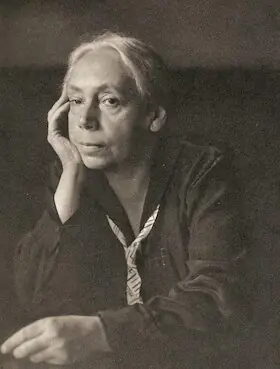
Art historian Thomas R. Hoffmann lectures on Berlin women artists of the 1920s - Mammen, Höch, Laserstein, Kollwitz, and Sintenis - and how their work reflected an age of political and social upheaval.

School principal Engin Çatık discusses transforming Berlin's troubled schools and fighting for educational equality. A conversation with journalist Hadnet Tesfai about society's future and education's role.

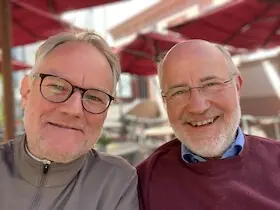
Physicists Harald Lesch and Axel Kleidon take the stage at Urania Berlin to argue why politics keeps ignoring natural laws - and what serious climate action would actually require.

An evening of discussion on AI ethics, deepfakes, and ownership rights to our own faces in the digital age. Guests include professor Judith Simon and cultural historian Thomas Macho.

A panel discussion with sinologist Susanne Weigelin-Schwiedrzik, political scientist Cathryn Clüver Ashbrook, and journalist Felix Lee on China's global strategy and Europe's role in a multipolar world.

Journalist Christoph Koch and moderator Nikolaus Röttger discuss how AI is becoming an emotional companion for millions - and what that means for the future of human connection.

Eva Gritzmann and Denis Scheck trace Germany's postwar history through its food - from wartime scarcity to döner and frozen pizza - with sharp observations and a few uncomfortable truths along the way.

A political panel discussion opening the 2026/2027 season at Urania Berlin, with scholars and journalists examining the state of democracy as fringe parties gain ground across Germany.

A hands-on workshop on preserving medicinal herbs and harvesting techniques. Learn how to retain the potency of natural ingredients and create your own herbal salt.